
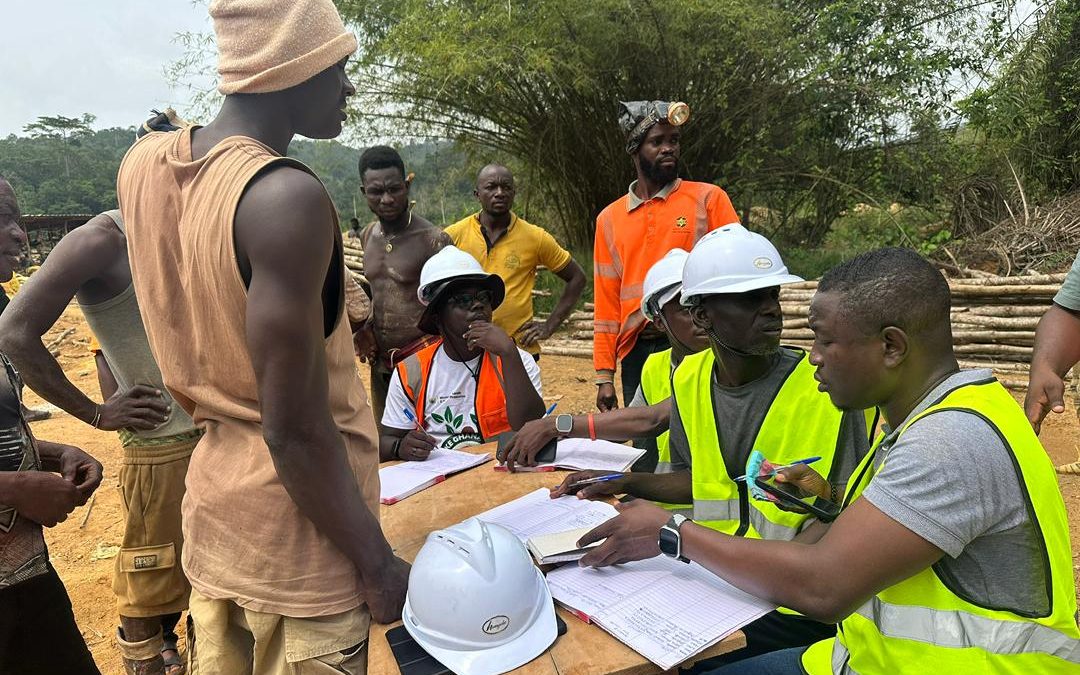
The Responsible Cooperative Mining and Skills Development Programme (rCOMSDEP), in collaboration with the Minerals Commission, has officially commenced a nationwide registration exercise for all small-scale miners and mining groups.
Following a successful pilot phase in the Western and Western North Regions, this comprehensive initiative is designed to formalize and regulate the small-scale mining sector. The exercise aims to bring structure, accountability, and environmental responsibility to an industry that provides livelihoods for millions of Ghanaians.
A key arm of the rCOMSDEP initiative seeks to formalize artisanal mining groups into legally recognized cooperatives, ensuring full compliance with regulatory frameworks and alignment with national mining laws. Selected sites will undergo thorough geological evaluations to determine their mineral potential and economic viability, ensuring that registered cooperatives operate on concessions capable of sustaining productive activity.
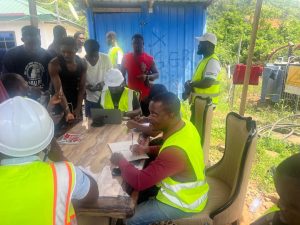
To ensure thoroughness and efficiency, the registration process will follow a structured four-phase workflow. Field teams will begin by capturing comprehensive details of cooperative members, including National Identification and contact numbers. Technical teams will then conduct geological validation and terrain stability checks on proposed concessions, alongside environmental risk screening to assess water use, tailings management, and ore processing methods. Following successful verification and assessment, all documentation will undergo final review by rCOMSDEP and the Minerals Commission. Qualified cooperatives will subsequently be issued a six-month Temporary Operating Permit, allowing them to commence operations under close monitoring while working toward full licensing.
The exercise will enable the Minerals Commission, the Environmental Protection Authority, and the Ghana Geological Survey Authority to conduct necessary field inspections and assessments, thereby triggering the formal processes required for the issuance of operating permits, including environmental clearances and mining licenses.
Registered cooperatives will receive continuous technical support and monitoring to ensure compliance with environmental standards and operational best practices, as outlined in the Cabinet-approved rCOMSDEP policy framework.
This exercise will also provide the Government with access to a verified database of registered miners and groups, from whom it will purchase gold through the Ghana Goldbod, ensuring traceability and legitimacy in the supply chain.
The success of this initiative hinges on collaboration among key stakeholders, including Traditional Authorities and Local Government Leaders. Their support is crucial in encouraging participation and ensuring the smooth implementation of the programme across all mining communities.
All small-scale miners and artisanal mining groups operating throughout the country are urged to cooperate with registration officials and present the required documentation during this phase. The exercise represents a unique opportunity to transition into the formal economy, gain legal recognition, and contribute to the sustainable development of Ghana’s mining sector.